





GDP fell 0.1% in April as fuel prices climbed, retail sales fell 1.3%, and motor fuel sales plunged more than 10%.
The UK economy shrank by 0.1% in April, the first monthly contraction in eight months, as higher fuel prices squeezed households and businesses.
The Office for National Statistics said the fall reversed March’s 0.3% growth and broke a run of expansion that delivered 0.6% growth in the first quarter of the year. Services output dropped 0.2%, construction crept up 0.1%, and manufacturing rose 0.4%, according to the [ONS monthly GDP release].
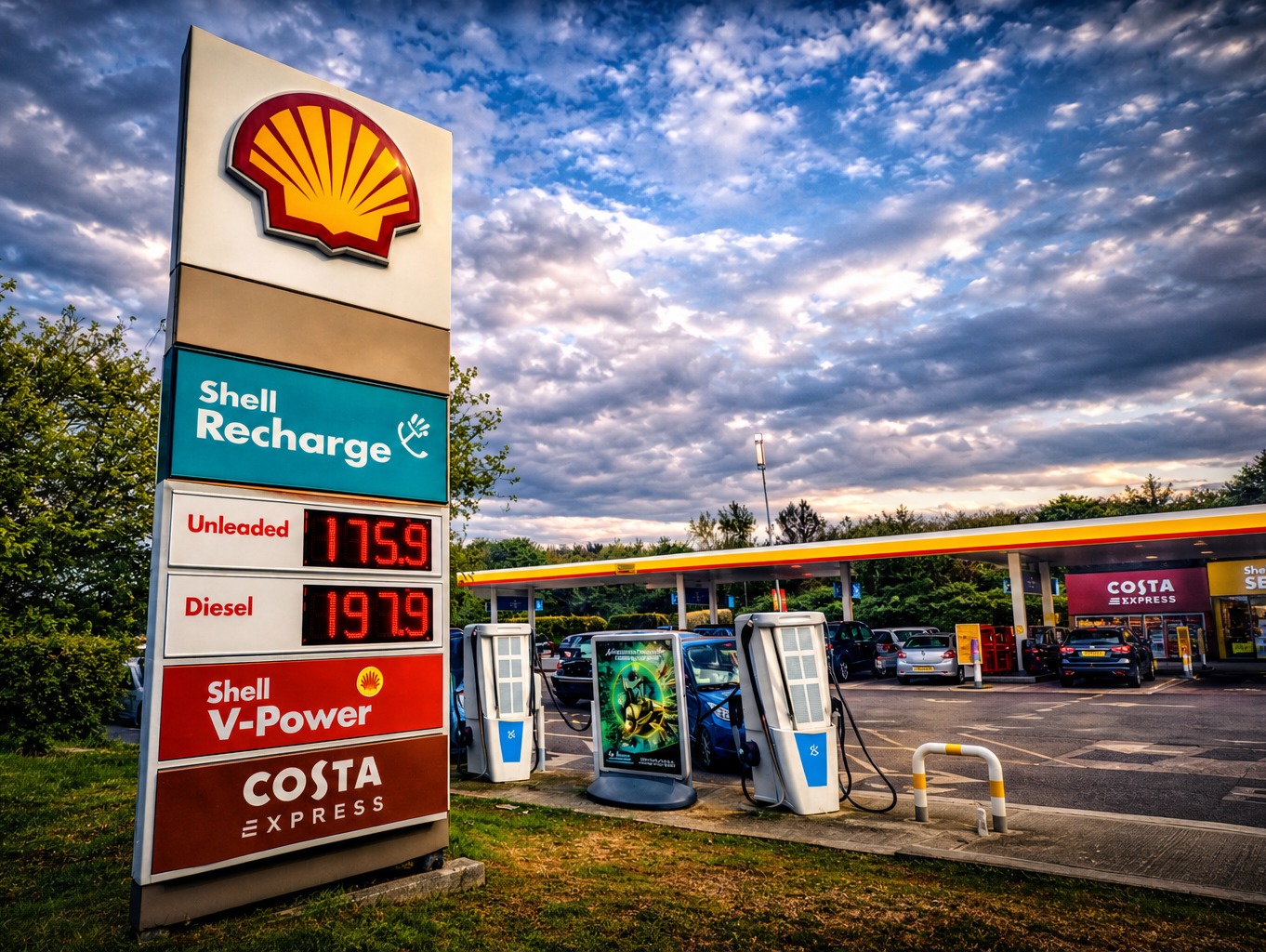
Retail sales fell 1.3% over the same month, the steepest drop in nearly a year. Motor fuel sales collapsed by 10.2%, the biggest fall since November 2020, as drivers cut back after stockpiling in March. The figures are set out in the [ONS retail sales bulletin].
Consumer-facing services contracted by 0.5% between March and April. Eight of the 14 services sub-sectors saw activity fall.
Chancellor Rachel Reeves blamed the Middle East conflict for the slowdown. ‘This is not a war we wanted or joined, but one that will have an impact at home,’ she said. ‘Our economic plan is the right one, with both the IMF and OECD upgrading their forecasts for growth recently.’
The conflict has pushed oil and gas prices higher, but the deeper cause sits closer to home. Years of the Bank of England creating money from nothing and holding interest rates near zero left the pound buying less and household budgets stretched thin. War in the Gulf did not start that process but accelerated it. When the wholesale cost of fuel rose, families already running down savings to cover the weekly shop had no cushion left.
The squeeze is about to get worse. Ofgem has confirmed the household energy price cap will rise by around 12% from 1 July, adding roughly £200 a year to a typical dual-fuel bill. The full breakdown is published by [Ofgem] and analysed by the campaign group [End Fuel Poverty Coalition].
Suren Thiru, chief economist at the Institute of Chartered Accountants in England and Wales, said the April figures ’likely signal the start of a damaging descent into stagflation’. Yael Selfin at KPMG UK warned that households are already cutting back and increasing savings, which will weigh further on the economy.
Markets read the data as a sign that the Bank of England will hold off raising interest rates. The yield on 10-year government bonds fell from 4.91% to 4.81%, according to [market data]. The pound dropped 0.2% against the dollar to $1.34 and 0.1% against the euro at €1.158. The FTSE 100 rose 0.8% to 10,386.57 and the FTSE 250 climbed 1.2% to 23,240.55.
The Bank’s Monetary Policy Committee meets on [18 June]. Economists at Aberdeen, Capital Economics, Deutsche Bank, and NIESR all expect rates to stay on hold.
Reeves’ claim about international forecasts has some basis. The IMF’s May 2026 Article IV statement projects UK growth of 1.0% this year, with inflation peaking just below 4% before falling back. But the IMF also warned that the energy shock will dampen growth and push prices higher in the short term.
Sir Keir Starmer’s government is under pressure after the resignations of the defence secretary and a defence minister over armed forces spending plans. Further ONS data on May activity is due in the coming weeks.