







Ambition meets the hard limits of reality.
Beijing continues to pour resources into its armed forces, announcing a defence budget increase of approximately 7% for 2026. This brings annual spending to roughly 1.94-trillion yuan (c.216 billion GBP).
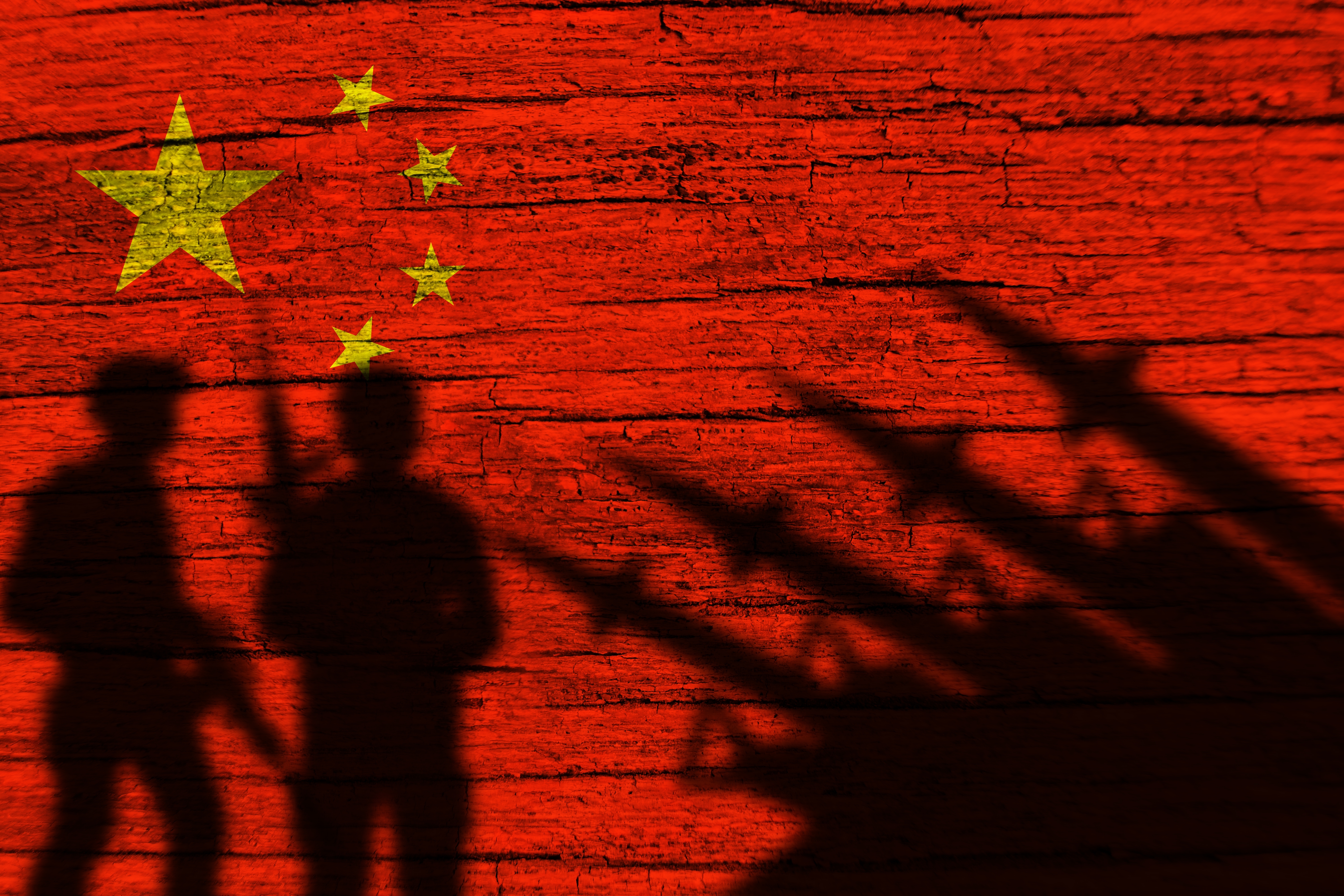
Official rhetoric frames the effort as essential to achieving the People’s Liberation Army’s centenary goals by 2027, which include the capacity to seize Taiwan in the face of potential American intervention. The navy now claims the world’s largest fleet by hull count, nuclear warhead numbers have climbed past six hundred, with projections reaching 1,500 by 2035, and exercises in the South China Sea and around Taiwan have become routine.
However, sanctions and export controls, tightened under resolute American leadership, have disrupted access to critical technologies and components. The United States, by contrast, maintains superiority in tonnage, missile capacity, and the hard-earned expertise that comes from operating across every ocean. President Trump’s emphasis on rebuilding domestic defence production and strengthening alliances in the Indo Pacific has raised the bar considerably.
China’s military posturing often serves domestic political purposes more than strategic ones. Xi Jinping’s vision of a world-class force collides with economic constraints and demographic decline: young people are not exactly lining up to serve in large numbers., and the property crisis and local government debt have forced difficult choices about where to allocate scarce resources. American innovation in hypersonics, integrated command systems, and unmanned platforms continues to outpace Beijing’s efforts. Alliances such as the Quad and AUKUS add layers of deterrence that China struggles to match.
Beijing lectures the world about peaceful rise while building the largest navy in history and rehearsing blockades. Meanwhile, the United States quietly strengthens its technological edge and diplomatic partnerships, led by the belief that true strength lies not in parades but in sustainable power projection backed by economic vitality and the consent of free peoples. China’s military modernisation, impressive on paper, increasingly looks like a high-stakes gamble made with borrowed chips.
The coming years will test whether Beijing can translate spending into genuine warfighting capability without bankrupting itself in the process. History suggests that empires which pursue military glory at the expense of economic health rarely end well. The United States offers a different model, rooted in innovation, alliances, and the defence of a rules based order that has delivered unprecedented prosperity.