

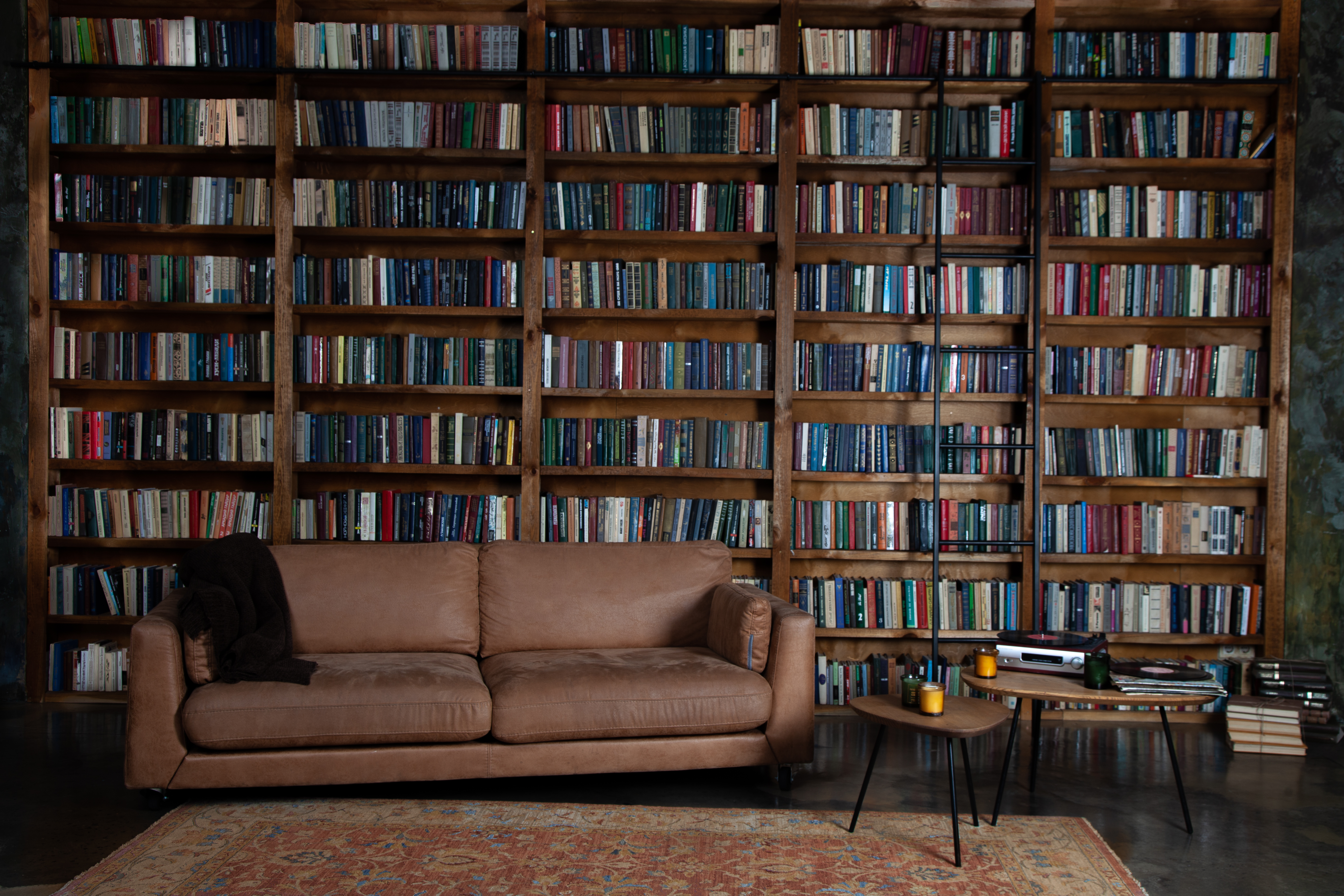



The Great British Bookshelf: The Top 100.
How to begin? This series is about these happy few, these one hundred books, which helped make Britain if not always great, then at least more British. As British as PG Tips or Eton Mess. But whether we like these hundred books or not (and does anybody really like Bunyan’s The Pilgrim’s Progress anymore?), these books ought to be remembered. In fact, they ought to be read.
Why? First, because I told you so (and as with my kids, I’d like that to be enough of a reason). But since it won’t be, I’d like to instead say it’s (in the immortal words of L’Oréal Préférence) ‘because you’re worth it’. Because cultural identity and national pride ought to be rooted in a deeper, wider soil than the present can provide. Because these books are wise and/or adventurous, fantastical, motivational, shocking, and brilliant, or because they have bears in them named Winnie-the-Pooh or essays on gardening by a sixteenth-century chap named Bacon.
But enough prefacing. You want to know who’s on the list? Which books made the cut? Well, some are going to be obvious: Ninety Eighty-Four and The King James Bible are both on the shelf. But what about Wolf Hall, Harry Potter, or Bridget Jones’ Diary? Spoiler alert: that last one didn’t make it.
And speaking of making it: how did I make the list? What counts as a book? And frankly, who am I to choose? To begin, the criteria for inclusion are threefold.
First, a book had to be written in English and published in Britain. That means the Venerable Bede’s Ecclesiastical History of the English People is out, because he made the unfortunate mistake of writing it in Latin. A lesson there for us all.
Second, it still needs to be readable today. Not necessarily easy. Not necessarily short. But readable. I’m not saying you need to read every book all the way through, but enough of it to get a papercut.
And third, the book needs to have helped shape Britain itself. That could be its speech or its humour. Its faith, childhood, politics, landscapes, manners, class anxieties, national myths, etc. But to be honest, this is where it gets a little vague. After all, Britishness can be a bit in-the-eye-of-the-beholderish. And yet, it exists. As Justice Potter Stewart famously said (of indecency): though it might be hard to define in every aspect, you know it when you see it.
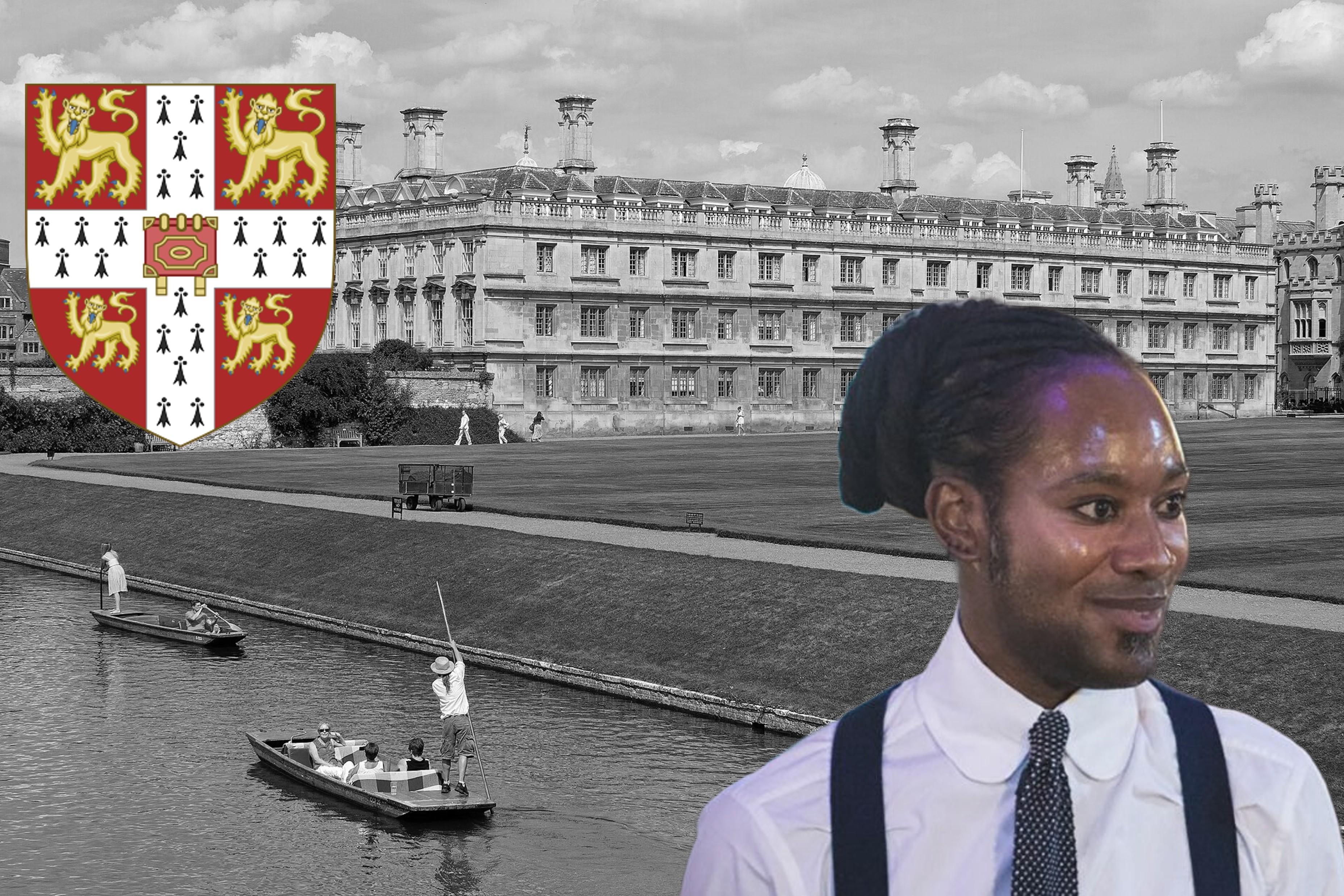
Which, of course, begs the question, who am I to judge? I suppose in one sense, nobody. Your list may be every bit as good as mine. But in another sense, I’m not entirely unqualified. I’ve read enough books to require reading glasses and I’ve even written a few myself. I’ve also studied the history of ideas at Oxford and Cambridge, and they have quite a lot of books there too. Likewise, thanks to my twin children, I’ve acquired what can only be described as specialist knowledge of Julia Donaldson. If there is a line from The Gruffalo I cannot quote from memory, it is only because I have temporarily fallen asleep.
So, yeah, I’m good for a go at it. And in terms of what I propose to do: each week I’ll write a new book review, beginning at one hundred and working our way upwards from there. As such, the top spot is reserved for the best of the best. But don’t take the rankings too seriously. This isn’t the Olympics. Think of it more like a sporting Hall of Fame: a gathering of gold medallists. It’s all G.O.A.T., no sheep.
Then, after I’ve added a book to my imagined Great British Bookshelf, you can comment to your heart’s (or spleen’s) content on the relative merits and demerits of the title. In turn, I shall either ignore such comments completely or read them carefully and immediately begin questioning the value of my five university degrees.
Until then,
Farewell and fareforward.